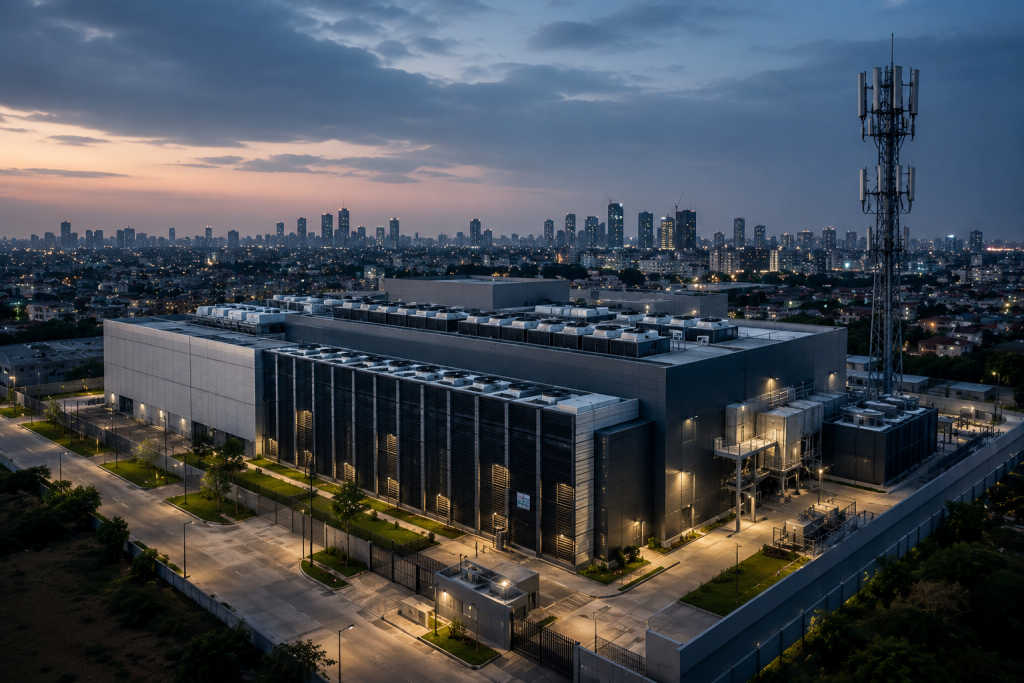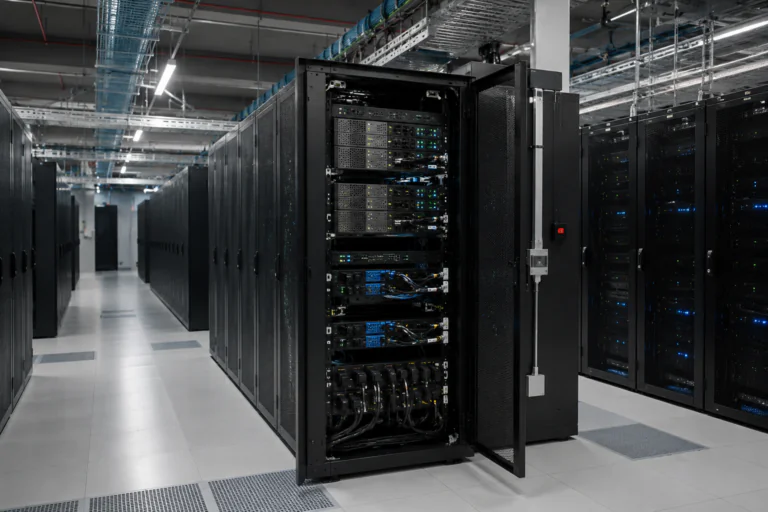





The Role of Architecture in Data Center Design
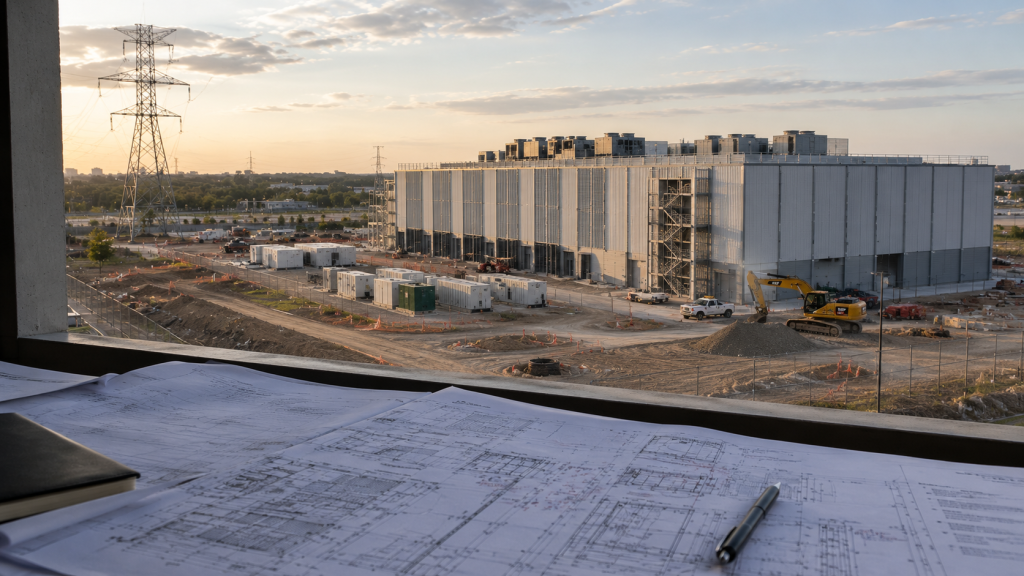



AI hardware is changing faster than traditional building cycles can comfortably absorb, which creates a difficult balance. Operators need enough flexibility to accommodate higher-density workloads, but excessive flexibility can add cost, space, and embodied carbon that may never be used.
The most effective approach starts with the rack and workload requirements, then moves outward through cooling, power, structure, and site planning.
It also requires honest decisions about what flexibility means for each project: modular expansion, equipment reuse, scalability or a clearer end-of-life strategy.
Power availability and community acceptance add further complexity as data centres increasingly need to be planned with consideration for grid interaction, adjacent uses, and tangible local benefits.
It’s up to architects to coordinate engineers, operators, planners and communities while keeping sight of how one technical decision affects the whole facility. It is important to get the design right to future proof the data center. The cost of modifying a built data center to manage scale can be prohibitive.